



Lupin Human Welfare and Research Foundation envisions the symbiotic enhancement of health outcomes and livelihoods, recognizing the pivotal role of health in fostering economic empowerment within vulnerable rural communities, thereby fortifying both individual well-being and the resilience of the healthcare system.



Lupin Human Welfare and Research Foundation integrates health solutions for immediate well-being and long-term disease reduction, while our livelihood program in Rajasthan and Maharashtra provides sustainable solutions, acknowledging the crucial link between community health and thriving economic empowerment


Lupin Human Welfare and Research Foundation envisions the symbiotic enhancement of health outcomes and livelihoods, recognizing the pivotal role of health in fostering economic empowerment within vulnerable rural communities, thereby fortifying both individual well-being and the resilience of the healthcare system.


Lupin Human Welfare and Research Foundation integrates health solutions for immediate well-being and long-term disease reduction, while our livelihood program in Rajasthan and Maharashtra provides sustainable solutions, acknowledging the crucial link between community health and thriving economic empowerment
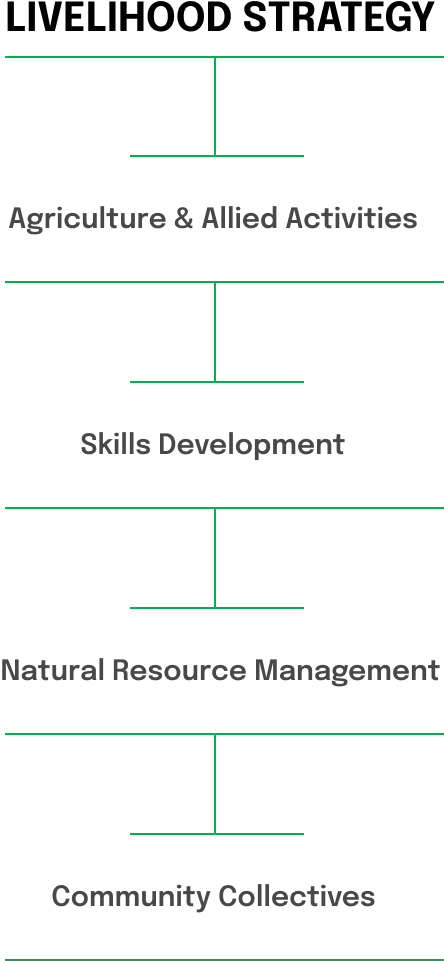
With a drive to create a profound impact, the livelihoods program focuses on establishing sustainable solutions for the disadvantaged and vulnerable communities. Capacity building, skill development, natural resource management, strengthening grassroots value chains, and improving farmers’ market access are vital components of our Livelihoods strategy.
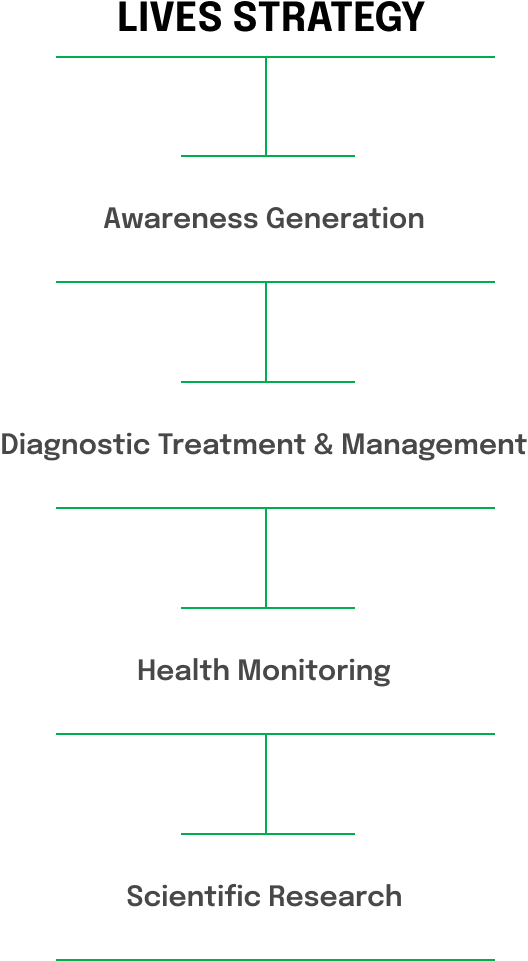
The Lives program focuses on enriching the quality of life within communities and ensuring better access to healthcare
services. A strategic engagement aimed at strengthening health systems to address Chronic Obstructive Pulmonary Disease (COPD) and Cardiovascular Diseases (CVDs) stands as an irreplaceable building block of our Lives strategy.


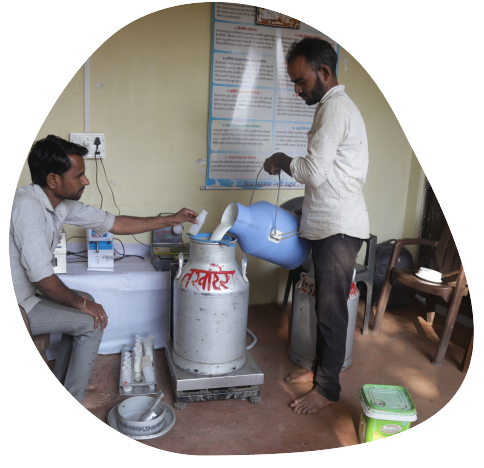
Roopdas Bairagi, once a struggling farmer, is now the secretary of milk center in Tarwariya village, Vidisha, Madhya Pradesh, playing a pivotal role in ensuring its efficient operation.
His day starts at 6 AM, and his responsibilities include maintaining cleanliness, washing milk cans, and organizing the milk collection process. The milk collection, approximately 120 liters per day, takes place from 7 AM to 9:30 AM. Subsequently, the collected milk is transported to the city’s milk plant.
Roopdas’s journey reflects the transformative impact of the milk center initiative, turning his life around from a struggling farmer to a key player in the economic development of the village.